Deer
Cervidae
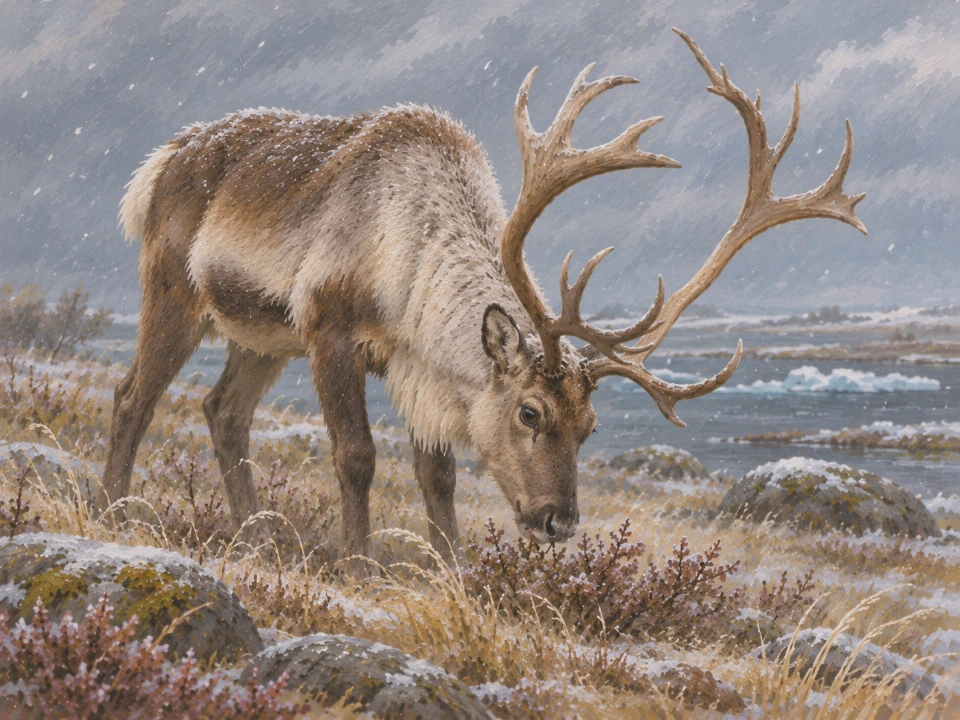
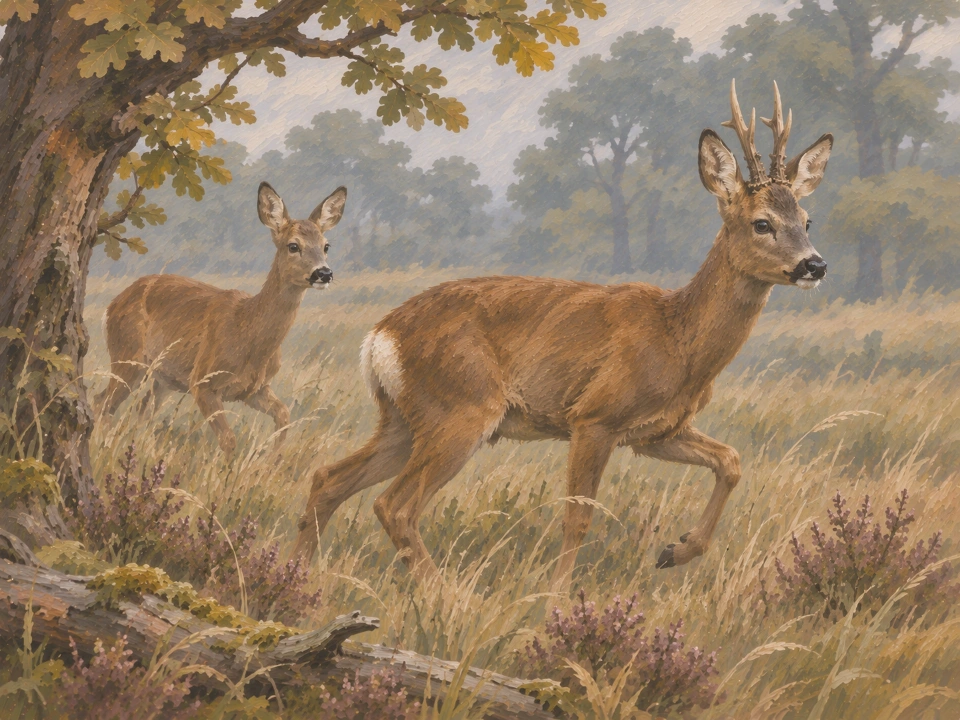
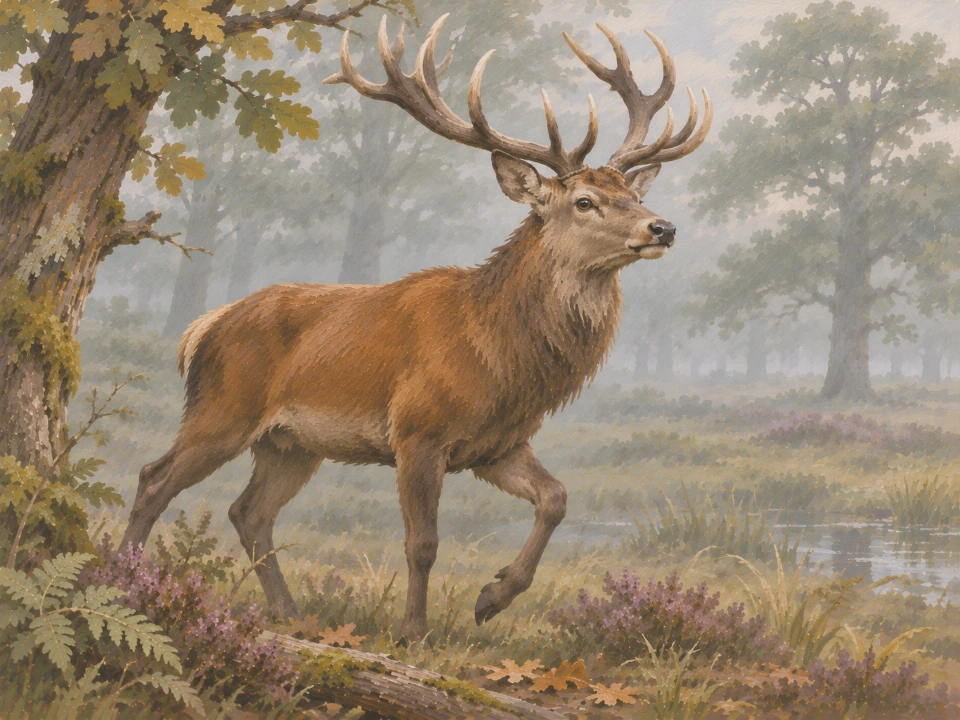
Deer, or cervids, are a family of even-toed ungulates that includes red deer, roe deer, fallow deer, moose, reindeer, and extinct relatives such as the giant deer (Megaloceros). They belong to the ruminants (Ruminantia), alongside bovids, giraffes, and several other families.
Their most distinctive feature is their antlers, which consist of solid bone and are typically shed and regrown annually. Unlike the permanent horns of bovids, antlers grow from bony projections of the skull called pedicles. Their shape, branching pattern, and surface texture can help identify fossil fragments. Cervids also have selenodont molars, with crescent-shaped enamel ridges, and fused metapodials forming cannon bones, although these characteristics are shared with other ruminants.
Within this group
And 43 finds not yet placed in a genus.
In this collection 48 finds
Body parts
AlsoCuneiform, Metacarpal, Scaphoid, Tibia